

Before You Make an Offer: A Heating & Efficiency Checklist for Bradford County Buyers
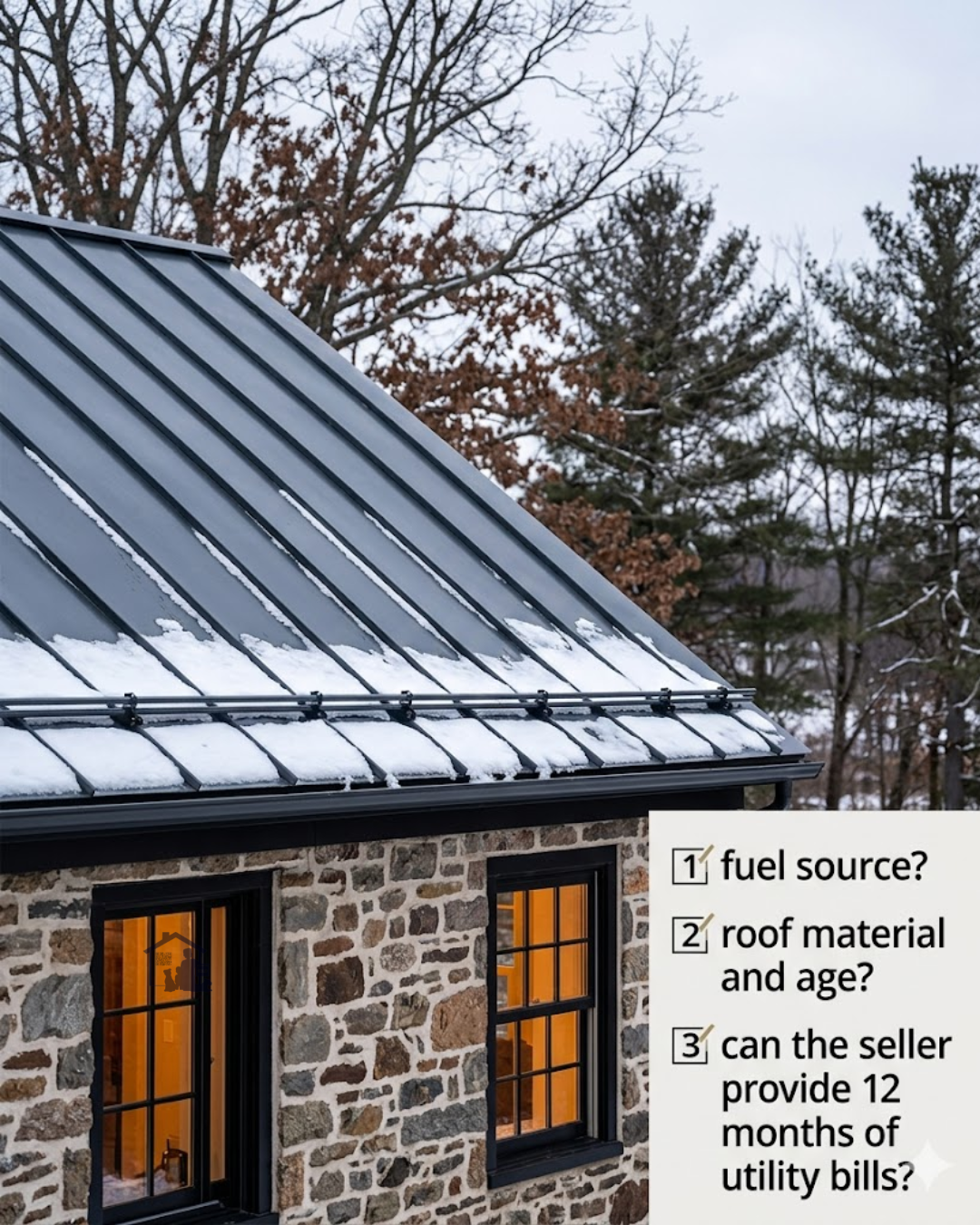
Here’s something most buyers don’t think about until their first January bill arrives: in Bradford County, how a home is heated can cost you just as much — or more — than your property taxes.
Winters in the Northern Tier are real. Average lows dip well below freezing for months at a time, and an inefficient heating system or a drafty older home can translate to heating bills that add hundreds of dollars per month to your actual cost of ownership. Right now, Bradford County buyers are getting smarter about this. Searches for “natural gas heat,” “newer metal roof,” and “central air” are spiking — and for good reason. These aren’t luxury features. They’re financial decisions.
Before you fall in love with a listing, use this checklist to evaluate what you’re actually buying.
1. Identify the Heating Fuel Source First
The single biggest cost variable in a Bradford County home isn’t the mortgage — it’s often the fuel. Here’s a quick hierarchy of what to look for:
Natural gas is the gold standard for Bradford County if you’re in or near a served area (Sayre, Athens, Towanda, and parts of Troy have access). Gas heat is consistent, efficient, and cost-effective compared to alternatives.
Propane is common in rural and off-main-line properties. It’s a perfectly reliable fuel source, but propane prices fluctuate and buyers should budget accordingly. Ask about average annual usage and tank ownership vs. rental arrangements.
Oil or electric baseboard can be the most expensive options. If a home uses electric baseboard heat, run the utility cost numbers carefully before proceeding.
Wood or pellet stoves as supplemental heat are a genuine asset in Bradford County — they can significantly offset primary heating costs. A well-maintained wood stove or pellet insert listed in the disclosures is worth noting positively.
2. Ask About the Roof — and Whether It’s Metal
A metal roof isn’t just curb appeal. In Bradford County’s climate, it’s a long-term ownership calculation. Metal roofs shed snow load efficiently, resist the freeze-thaw cycle that destroys asphalt shingles, and can last 40–70 years with minimal maintenance. A home with a newer metal roof eliminates a major capital expense from your horizon.
When reviewing listings, ask: How old is the roof? What material? Has it been inspected recently? A 10-year-old asphalt roof in a heavy-snow zone may need replacement within your first decade of ownership — a cost of $8,000–$20,000 depending on square footage. A newer metal roof means that money stays in your pocket.
3. Don’t Skip the Insulation and Window Audit
Older Bradford County homes are charming. They’re also sometimes drafty. Before making an offer, ask about:
Attic insulation — the single most impactful area for heat retention.
Window age and type — single-pane windows in a Northern Tier winter are thermal liabilities. Double-pane or newer vinyl replacement windows are a positive signal.
Basement and crawlspace insulation — cold floors are a symptom, not the root cause. Uninsulated basements are common in older homes and are a negotiation point.
4. Central Air: Comfort and Resale Value
Bradford County summers are mild, but they’re not without their humid stretches. Central air conditioning is becoming an increasingly important search filter for buyers — and it matters for resale. Homes without it are narrowing their buyer pool.
If a home has central air, note the age of the system. If it doesn’t, factor in the cost of adding a mini-split or forced-air system when evaluating the price.
5. Ask for Utility Records
This is the simplest, most underused tool in a buyer’s arsenal: ask for 12 months of utility bills. Most sellers will provide them, and the numbers tell you far more than any listing description. A home with $200/month average heating costs versus one with $600/month average costs is a $4,800 annual difference — and that affects what you should be willing to pay.
Your Energy Efficiency Checklist at a Glance
• What fuel source heats the home?
• How old is the heating system?
• What is the roof material and age?
• Are windows single or double-pane?
• Is there central air?
• Can the seller provide 12 months of utility bills?
These aren’t deal-breakers by themselves — but they’re negotiating tools, and they’re the difference between a home that fits your budget and one that quietly exceeds it every month.
Have questions about a specific listing you’re considering? I’m happy to help you run the numbers before you commit. Reach out anytime.
Written by Scott Kelsall Realtor® | Kelsall Realty LLC
#ScottSellsDreams #WhatsYourDream #HowCanIHelp #NeverTooBusyForYourReferrals
